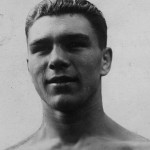
Billy Conn: The Pittsburgh Kid
Quick Facts
- Full Name: William David Conn
- Nickname: “The Pittsburgh Kid”
- Born: October 8, 1917
- Died: May 29, 1993
- Birthplace: Pittsburgh, Pennsylvania, United States
- Height: 6’1½” (187 cm)
- Reach: 72½” (184 cm)
- Weight Class(es): Middleweight, Light Heavyweight, Heavyweight
- Professional Career: 1934–1948
- Record: *Commonly listed as 64-11-1 with 15 KOs
- Major Achievement: World Light Heavyweight Champion
- Hall of Fame: Inaugural class of 1990
*Historical sources have occasionally differed on Conn’s exact record, with some older accounts listing 63-11-1. Modern fight-by-fight databases commonly list 64-11-1 with 15 knockouts.
Billy Conn was one of the finest light heavyweights in boxing history and the man who came tantalizingly close to pulling off one of the greatest upsets the heavyweight division has ever seen.
A fast, intelligent boxer from Pittsburgh, Conn captured the world light heavyweight championship in 1939 before moving up to challenge heavyweight king Joe Louis. Giving away more than 25 pounds, Conn outboxed Louis for much of their famous 1941 fight and was ahead on two official scorecards after 12 rounds. Then he abandoned caution, exchanged with one of history’s greatest punchers, and was knocked out in the 13th.
That dramatic defeat has sometimes overshadowed just how accomplished Conn already was. Before challenging Louis, he had defeated a remarkable collection of middleweights, light heavyweights and heavyweights and established himself among the elite fighters of his generation.
Career Snapshot
Conn turned professional as a teenager and initially gave little indication that he would become an all-time great.
He lost six of his first 14 professional fights.
Then everything changed.
Conn developed into an exceptional boxer and began a long unbeaten run that included victories over fighters such as Fritzie Zivic, Teddy Yarosz, Vince Dundee and Babe Risko.
His combination of speed, footwork and boxing intelligence allowed him to defeat larger and more powerful opponents without relying on knockout power.
By 1939, Conn was ready for the light heavyweight championship.
He defeated Melio Bettina over 15 rounds on July 13, 1939, to capture the vacant world light heavyweight title.
Conn subsequently defeated Bettina again and twice outpointed future light heavyweight champion Gus Lesnevich.
He also scored victories over elite fighters including Fred Apostoli and Solly Krieger before increasingly testing himself against heavyweights.
Eventually, there was only one opponent who mattered.
Joe Louis.
Career Highlights
- World Light Heavyweight Champion
- Defeated Melio Bettina to win the light heavyweight championship in 1939
- Successfully defended the championship against Bettina and Gus Lesnevich
- Defeated notable champions and contenders including Fritzie Zivic, Fred Apostoli, Solly Krieger and Teddy Yarosz
- Defeated heavyweight contenders including Bob Pastor and Lee Savold
- Came within three rounds of defeating Joe Louis for the heavyweight championship
- Named Fighter of the Year by the Boxing Writers Association of America for 1939
- Named Fighter of the Year by The Ring for 1940
- Inducted into the International Boxing Hall of Fame in 1990
Best Fights
Best Win: Melio Bettina
Conn faced Melio Bettina for the vacant world light heavyweight championship on July 13, 1939.
Conn used his speed, movement and boxing ability to win a 15-round decision and become world champion.
The victory represented the culmination of Conn’s transformation from a teenager who had struggled early in his career into one of boxing’s premier fighters.
He later defeated Bettina again.
Best Fight: Joe Louis I
Conn challenged Joe Louis for the heavyweight championship on June 18, 1941, at the Polo Grounds in New York.
The physical disparity was substantial.
Louis weighed 199½ pounds. Conn weighed just 174.
Conn compensated with speed.
He moved, boxed and repeatedly beat Louis to the punch, gradually building a lead as the heavyweight champion struggled to pin him down.
After 12 rounds, Conn was ahead on two official scorecards, while the third had the fight even.
Then Conn made the decision that would define his career.
Rather than continue boxing cautiously, he engaged Louis aggressively in the 13th.
Louis finally caught him.
With only seconds remaining in the round, Conn was counted out.
He had come extraordinarily close to becoming heavyweight champion.
Most Historically Significant Fight: Joe Louis II
World War II delayed the Louis-Conn rematch for years.
They finally met again on June 19, 1946, at Yankee Stadium.
This time there would be no near-upset.
Louis fought more cautiously early before finding Conn and knocking him out in the eighth round.
Five years after their classic first fight, Louis had decisively closed the rivalry.
Most Underrated Performance: Tony Zale
Conn defeated future middleweight great Tony Zale by unanimous decision over 12 rounds in February 1942.
Zale would become famous for his brutal rivalry with Rocky Graziano, but Conn’s speed and boxing ability allowed him to defeat the future champion.
It was Conn’s final fight before wartime service removed him from professional boxing for four years.
Boxing Style & Skill Breakdown
Conn was a classic boxer whose success depended far more on skill than punching power.
Only 15 of his 64 commonly recognized victories came by knockout.
Instead, Conn won through movement, speed, timing, combinations and the ability to make opponents fight at his preferred distance.
Strengths
Footwork
Movement was central to Conn’s style.
He could move in and out of range quickly, forcing slower opponents to reset before they could establish their offense.
That ability became particularly valuable when Conn began fighting heavyweights.
Hand Speed
Conn could put combinations together rapidly and score before opponents had an opportunity to respond.
His speed advantage was especially apparent against larger fighters.
Boxing Intelligence
Conn understood distance and knew how to accumulate rounds.
His performance against Louis demonstrated that his skills could work even against an elite heavyweight champion.
Combination Punching
Conn was not a devastating knockout artist, but he could land multiple punches quickly.
His offense was built around accuracy and volume rather than attempting to end every exchange with one shot.
Versatility
Conn successfully competed against elite opposition ranging from middleweights to heavyweight contenders.
Very few fighters could move through that range of opponents while remaining competitive at the highest level.
Weaknesses
Conn lacked heavyweight punching power.
That meant he often needed to box effectively for the entire fight rather than relying on a punch to rescue him when a contest turned against him.
His willingness to engage could also undermine his greatest advantages.
The most famous example came against Louis.
Conn had succeeded through movement and boxing but became increasingly aggressive in the 13th round.
Against a puncher as dangerous as Louis, one tactical mistake was enough to erase everything Conn had accomplished during the previous 12 rounds.
Style Matchups
Conn was particularly effective against slower fighters who struggled to cut off the ring.
His speed allowed him to score and escape before heavier opponents could impose their physical advantages.
Elite pressure fighters and powerful punchers presented greater danger because Conn lacked the power to discourage them consistently.
Against those opponents, maintaining distance and discipline was essential.
Physical Attributes & Ring IQ
Conn stood 6’1½” (187 cm) with a 72½” (184 cm) reach.
His height allowed him to transition naturally toward heavyweight, but his frame remained considerably lighter than the leading heavyweights he challenged.
Against Louis, Conn weighed only 174 pounds compared with Louis at 199½.
That meant Conn could not approach the fight as a conventional heavyweight battle.
Instead, he used movement, speed and timing to neutralize the champion’s advantages.
For 12 rounds, it nearly worked.
Conn’s ring intelligence was generally among his greatest strengths, which makes the ending of the Louis fight particularly fascinating.
One of boxing’s smartest fighters made an aggressive tactical choice at exactly the wrong moment.
Billy Conn vs. Joe Louis I
The first Louis-Conn fight remains one of the most famous heavyweight championship contests ever held.
Louis entered as the dominant heavyweight champion.
Conn entered as the former light heavyweight champion attempting to overcome an enormous disadvantage in weight and punching power.
Conn refused to fight like a heavyweight.
He moved constantly, changed angles and used his faster hands to score while denying Louis stationary targets.
The strategy frustrated Louis.
After 12 rounds, two officials had Conn ahead, 7-5 and 7-4-1, while the third had the fight even at six rounds apiece.
Conn was three rounds away from completing an extraordinary upset.
Then the fight changed.
Conn became increasingly willing to exchange with Louis.
The champion finally trapped and hurt him in the 13th round.
Conn was knocked out with only two seconds remaining in the round.
Why Did Billy Conn Trade Punches With Joe Louis?
This became the enduring question surrounding the fight.
Conn had spent much of the night succeeding because he refused to fight Louis’ fight.
By the 13th round, however, Conn had gained confidence.
Instead of simply protecting his lead, he attempted to hurt the champion.
Louis seized the opportunity.
The decision has sometimes been characterized as simple recklessness, but it also reflected Conn’s competitive personality. He was not content merely to survive against Louis.
That instinct helped make him great.
Against Joe Louis, it also helped get him knocked out.
Billy Conn vs. Joe Louis II
The rematch was originally expected much sooner, but World War II transformed both men’s careers.
Conn and Louis spent years away from professional boxing while serving during the war.
When they finally met again on June 19, 1946, both were older and had been inactive for significant periods.
The second fight lacked the drama of the first.
Louis was more cautious about Conn’s movement and gradually established control.
In the eighth round, Louis knocked Conn out.
The result gave Louis a 2-0 record against Conn and ended Conn’s second attempt to become heavyweight champion.
Billy Conn and the Light Heavyweight Championship
Conn’s heavyweight challenge became so famous that his accomplishments at light heavyweight can sometimes be overlooked.
That is a mistake.
Conn defeated Melio Bettina to win the championship in 1939 and successfully defended the title against Bettina and Gus Lesnevich.
His résumé around that period also included victories over numerous accomplished middleweights and light heavyweights.
Conn eventually vacated the light heavyweight championship in 1941 as he pursued the opportunity to fight Louis.
His performances before moving toward heavyweight established his place among the outstanding light heavyweights of his era independent of what happened against Louis.
World War II and Billy Conn’s Career
Conn’s prime was interrupted by World War II.
His February 1942 victory over Tony Zale was followed by more than four years without a professional fight.
Louis experienced a similar interruption.
When the two finally returned for their 1946 rematch, neither man was simply continuing from where their careers had been in 1941.
For Conn in particular, the interruption consumed years that might otherwise have been among the most productive of his career.
He fought only a handful of times after the war before retiring permanently in 1948.
Legacy & Historical Ranking
Billy Conn’s legacy should not be reduced to the sentence “he almost beat Joe Louis.”
The Louis fight was extraordinary, but Conn had already established himself as a great fighter before stepping into the heavyweight division.
He became world light heavyweight champion and defeated an impressive collection of champions and contenders across multiple weight classes.
His style also demonstrated how a smaller fighter could compete successfully against much larger heavyweights.
Speed, footwork and tactical intelligence allowed Conn to neutralize advantages that appeared overwhelming on paper.
The first Louis fight ultimately became both his greatest performance and his greatest disappointment.
Conn proved he could outbox one of history’s greatest heavyweight champions.
He also demonstrated how quickly Joe Louis could punish a mistake.
That combination is why the fight remains compelling generations later.
Record Breakdown
Billy Conn is commonly credited today with a professional record of:
64 wins
11 losses
1 draw
15 knockouts
Some historical sources list slightly different totals, including 63-11-1 with 14 knockouts, reflecting differences in record accounting.
Conn competed professionally from 1934 until 1948 and won the world light heavyweight championship in 1939.
Notable Rivalries
Joe Louis
Conn challenged Louis twice for the heavyweight championship.
He came remarkably close to winning their first fight before Louis knocked him out in the 13th round. Louis stopped Conn in eight rounds in their 1946 rematch.
Melio Bettina
Conn defeated Bettina to win the world light heavyweight championship and later defeated him again.
Gus Lesnevich
Conn defeated future light heavyweight champion Lesnevich twice by 15-round decision during his championship period.
Related Fighters
FAQ
What was Billy Conn’s boxing record?
Billy Conn is commonly listed today with a professional record of 64-11-1 with 15 knockouts, although some historical sources list slightly different totals.
How tall was Billy Conn?
Billy Conn stood approximately 6’1½” (187 cm) with a 72½” (184 cm) reach.
Was Billy Conn a world champion?
Yes. Conn defeated Melio Bettina in 1939 to become world light heavyweight champion.
Did Billy Conn ever beat Joe Louis?
No. Conn fought Joe Louis twice and lost both fights by knockout.
Was Billy Conn beating Joe Louis?
Yes. After 12 rounds of their 1941 fight, Conn was ahead on two official scorecards. The third official had the fight even. Louis knocked Conn out in the 13th round.
How much did Billy Conn weigh against Joe Louis?
Conn weighed 174 pounds (78.9 kg) for their first fight. Louis weighed 199½ pounds (90.5 kg), giving the heavyweight champion a 25½-pound (11.6 kg) advantage.
How many times did Billy Conn fight Joe Louis?
Conn fought Louis twice. Louis stopped him in the 13th round in 1941 and the eighth round in 1946.
Why did Billy Conn lose to Joe Louis?
Conn successfully used speed and movement for much of their first fight. In the 13th round, he became more aggressive and exchanged with Louis, allowing the heavyweight champion to land the punches that produced the knockout.
Who was Billy Conn’s wife?
Conn married Mary Louise Smith of Pittsburgh. A colorful part of Conn’s personal history involved a physical altercation with his father-in-law in 1942 in which Conn broke his hand, disrupting plans for an earlier Louis rematch.
Is Billy Conn in the Boxing Hall of Fame?
Yes. Billy Conn was inducted into the International Boxing Hall of Fame as part of its inaugural class in 1990.
More Archived Fighters